
July 30
How to Choose the Right Miller Portable Storage Building for Your Needs
0 comments
July 30
0 comments
In an era where space optimization is directly correlated with lifestyle efficiency and property value, the need for durable, reliable storage solutions has never been greater. Residential properties, commercial operations, and agricultural facilities all eventually face space limitations. Finding a solution that balances durability, visual appeal, and functionality can be challenging.
Miller Portable Storage Buildings provide a highly adaptable, long-term solution to these space constraints. This guide explains the key factors to consider when selecting the ideal portable storage building, evaluating your unique storage requirements, and understanding why a premium building is a long-term investment rather than a temporary fix.
When investing in a portable outdoor structure, the quality of the manufacturer is just as important as the building itself. Millers Outdoor Living offers premium portable storage buildings that combine durability, functionality, and attractive design.
Built with high-quality materials and strict quality standards, every structure is designed to withstand harsh weather while enhancing the appearance of your property. Whether you need a simple storage shed for lawn equipment or a fully insulated workspace, Millers Outdoor Living delivers dependable craftsmanship and long-lasting value.
Miller buildings are constructed using premium-grade materials that resist moisture, rot, insect damage, and harsh weather conditions. Reinforced flooring systems help distribute heavy loads evenly, reducing the risk of sagging or warping.
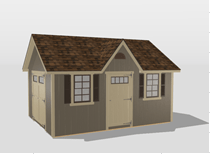
Unlike traditional storage sheds, Miller buildings are available in a variety of colors, trim styles, roof designs, and customization options that complement your home’s architecture and improve curb appeal.
Because these buildings are portable, they can often be relocated if your property layout changes or you move to a new location. This flexibility helps protect your investment over time.
One of the biggest mistakes buyers make is choosing a building that’s too small.
Before selecting a size, create an inventory of everything you plan to store.
Many storage building owners outgrow their buildings within two years. A practical rule is to purchase a building that provides approximately 20% to 30% more space than your current needs.
Ideal for:
Features:
Best for maximizing vertical storage.
Features:
Perfect for:
Features:
Benefits include:
Advantages include:
Premium pressure-treated runners and thick flooring protect the structure from moisture while supporting heavy equipment.
| Building Style | Typical Size | Best For | Main Advantage |
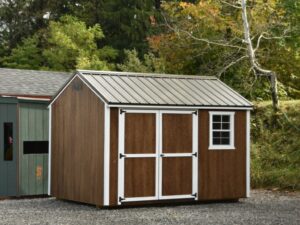
| Standard Utility | 8×12 to 12×24 | Household storage, workshops | Traditional design |
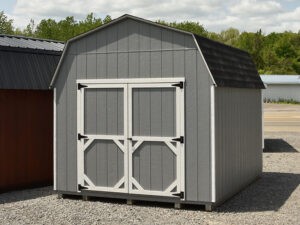
| Lofted Barn | 10×16 to 14×40 | Large equipment | Maximum vertical storage |
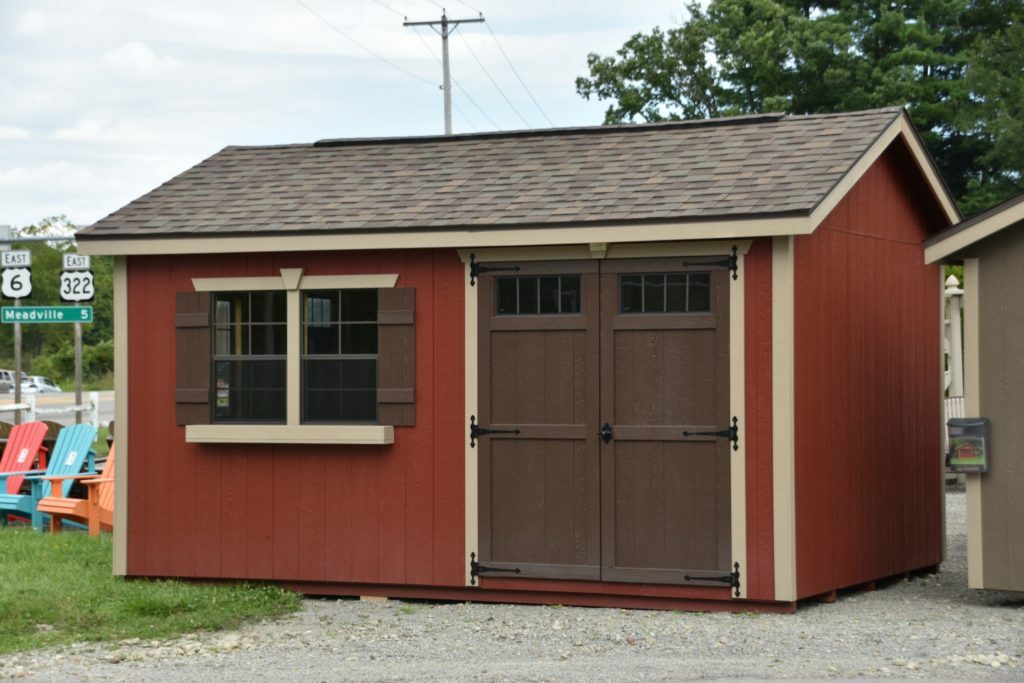
| Garden Shed | 8×10 to 10×14 | Gardening supplies | Decorative appearance |
| Cabin / Office | 12×24 to 14×40 | Office or studio | Comfortable workspace |
Before delivery:
Purchasing a Miller Portable Storage Building can help eliminate monthly storage rental costs while increasing your property’s functionality and resale appeal. A well-built storage structure is a long-term asset that provides lasting value.
A dedicated storage building creates more usable living space, reduces clutter, improves organization, and provides peace of mind. Whether used for storage, hobbies, or work, it helps maximize both your property and your daily productivity.
Create a list of everything you need to store, measure larger items, and choose a building that provides approximately 20% to 30% extra capacity for future needs.
A level base of 4 to 6 inches of compacted crushed stone provides excellent drainage and long-term structural support.
Wood buildings offer greater customization and insulation options, while metal buildings provide exceptional durability and low maintenance.
Permit requirements vary by municipality. Always verify local building codes, zoning regulations, and HOA requirements before purchasing.
With quality construction and routine maintenance, premium portable storage buildings can last 25 to 30 years or longer.
Yes. These buildings can be insulated and finished with electrical wiring, drywall, flooring, and HVAC systems.
Specialized delivery equipment allows buildings to be positioned accurately, even in tight residential spaces.
Wash exterior surfaces periodically, inspect the roof regularly, and repaint wood siding when necessary to maintain long-term protection.
No. A properly prepared gravel foundation is recommended to improve drainage and prevent settling.
Yes. Roof systems are engineered to meet structural load requirements, with optional anchoring systems available for high-wind regions.
Millers Outdoor Living offers purchase options, including flexible Rent-to-Own programs.
Tags